
ReportVolume 2 · Issue 1
Medical Mission Trip to Yangon
A small team of worshipers from FERC and PCC conducted a clinic over three days (4-9 February). It served primarily as an evangelistic and diaconal outreach by the Yangon Classis of the United Reformed Church of Myanmar (URCM) to the slums surrounding Revival URCM.
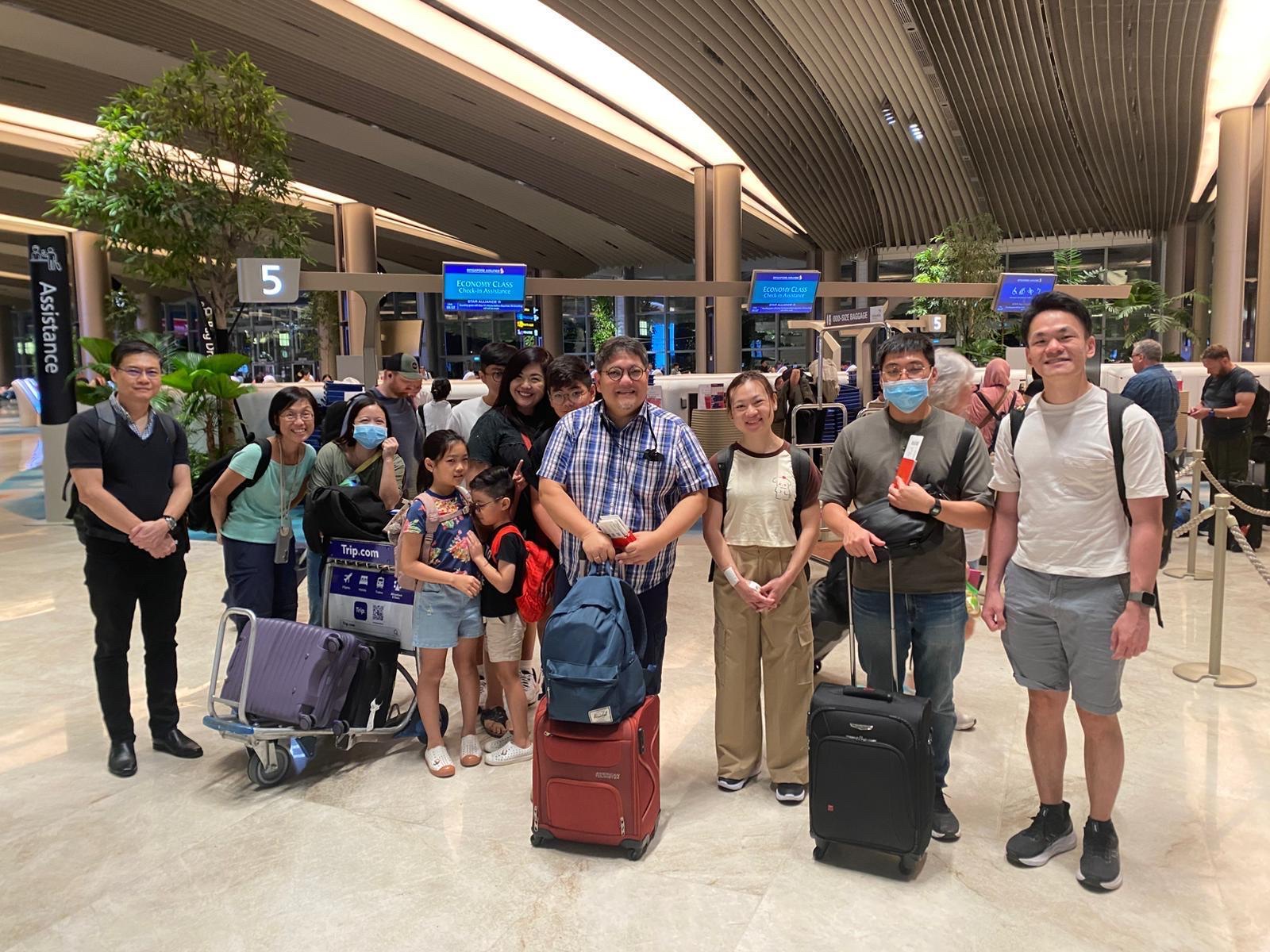
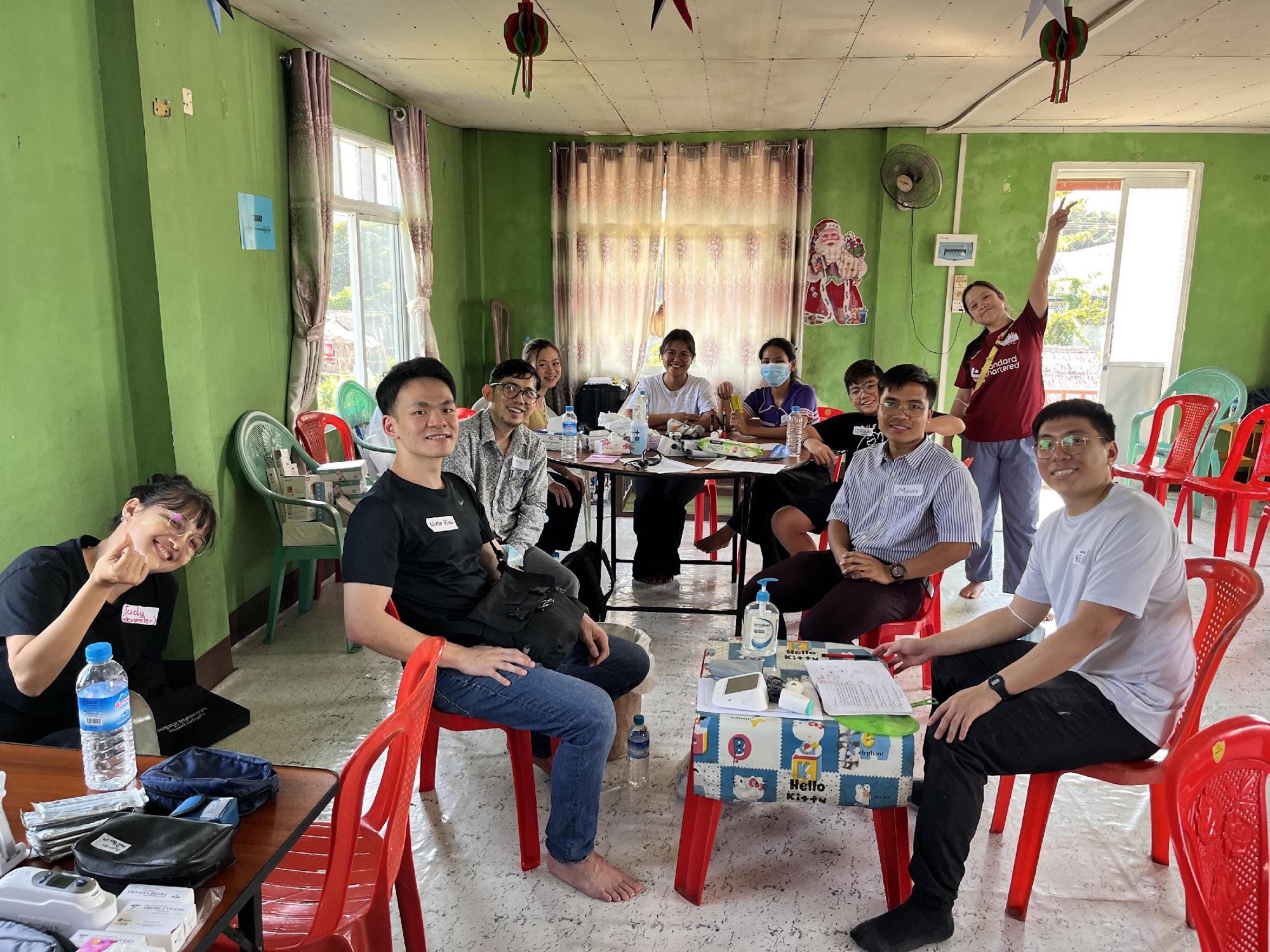
Elder Gideon Ng led the mission, with brothers Kevin Lim, Tiong Jun Khai, and sisters Joy Ng, Jemima Xue, and Nancy Yong serving as health practitioners. The Chen family assisted in the work. We were able to preach the gospel to and attend to the health of 150 unbelievers. At the same time, we provided care for about 100 in the household of faith. This report is written by bro Nathan Chen.
Day One — Yangon, Myanmar
We arrived in Yangon tired but excited — a group of twelve. The air felt heavier than what we were used to and everything — from the language on the signs to the traffic outside — reminded us we were far from home. There was a slight change of plans after landing, so we headed to the hotel first before going to Revival URC. It wasn’t what we expected, but it was a small reminder that flexibility would be important for the days ahead.
When we reached the church, we sat through a very long briefing. It felt drawn out to me, especially after travelling, and we were eager to get started. Still, it helped us understand the flow of the clinic and what would be expected of each of us.
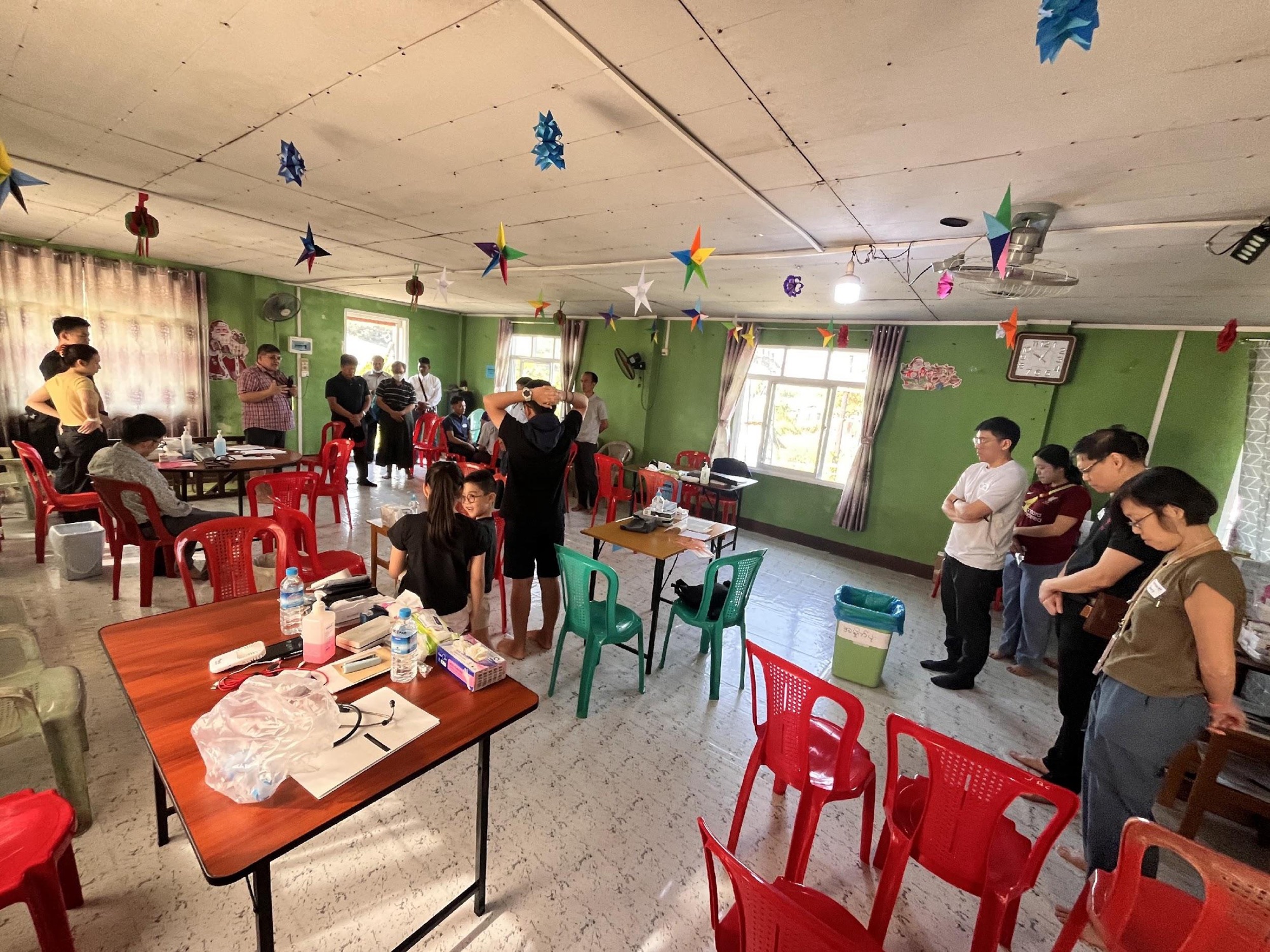
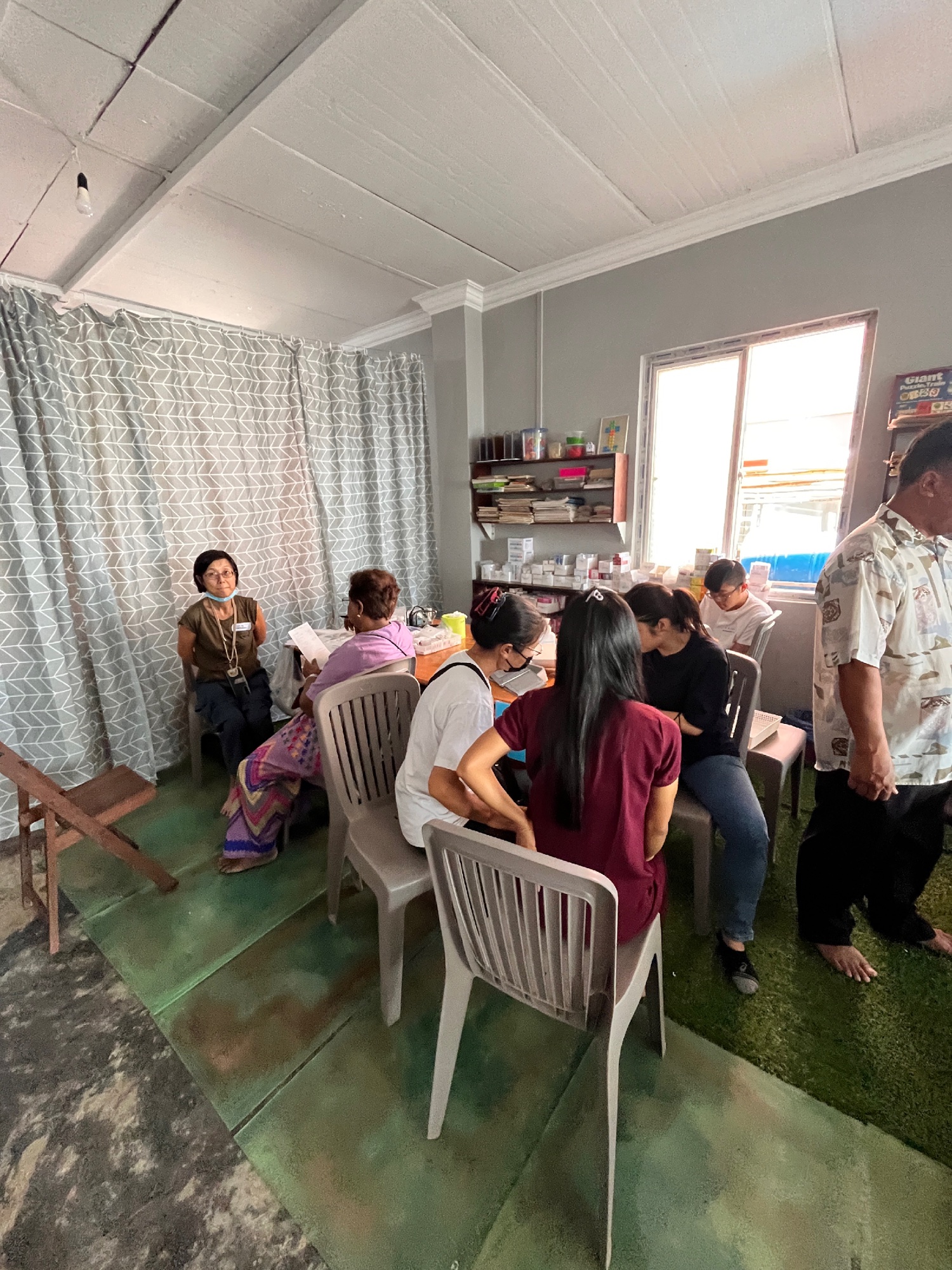
Once the briefing ended, the real work began. The sanctuary had to be completely transformed into a functioning clinic. Chairs were moved, tables set up, supplies unpacked. A triage station was placed near the entrance. Doctor’s stations were arranged in rows. We set up a treatment room with curtains for privacy. The pharmacy was organised and alphabetised so that medications could be dispensed efficiently. By the end of the afternoon, it no longer looked like a church hall — it looked ready to receive patients.
We continued working after a quick lunch and by six in the evening, we were sticky, exhausted and sore — but satisfied. Looking at the finished setup, it was hard not to feel that the Lord had helped pull everything together. There were many moving parts but somehow it all worked out.
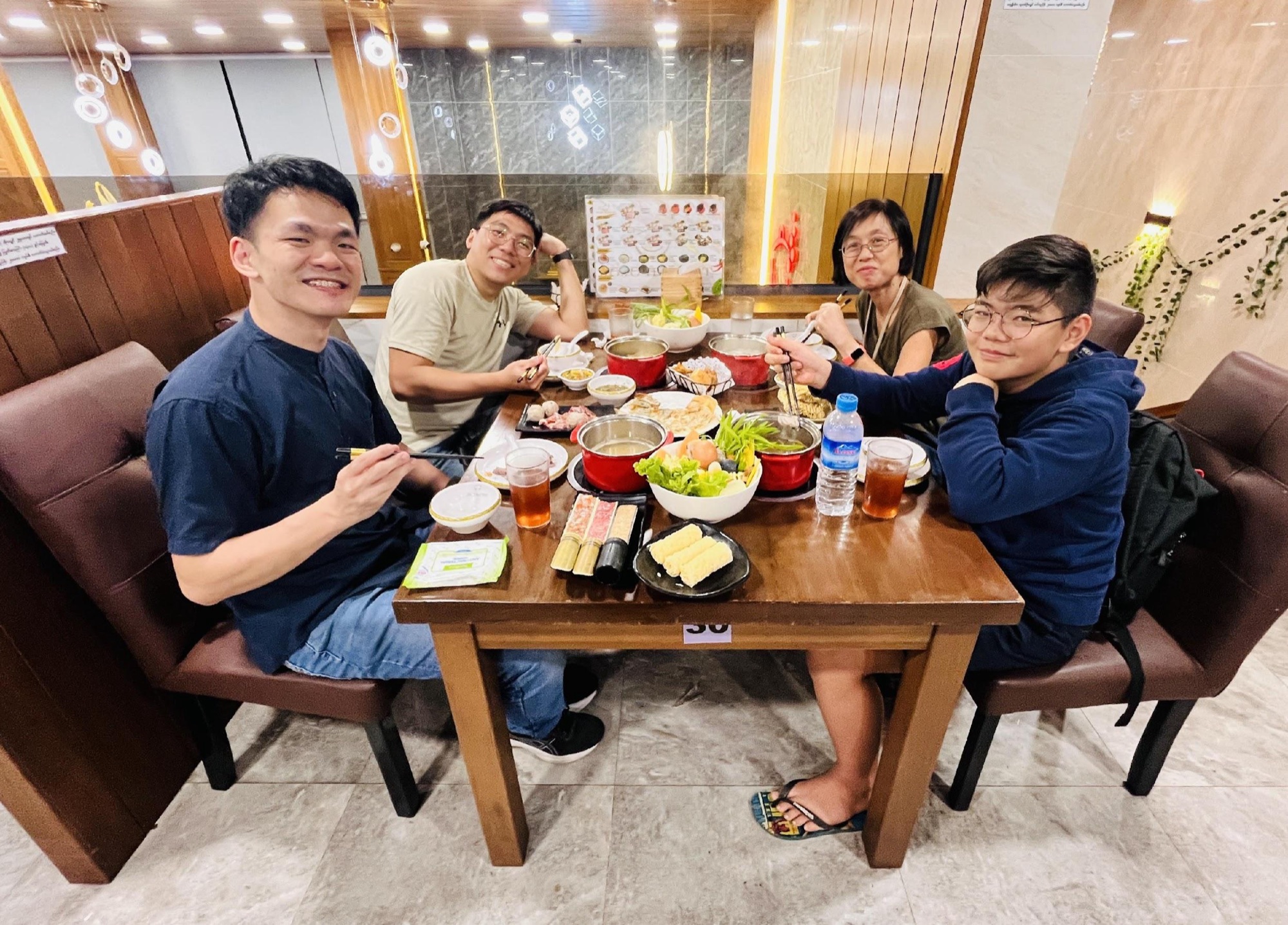
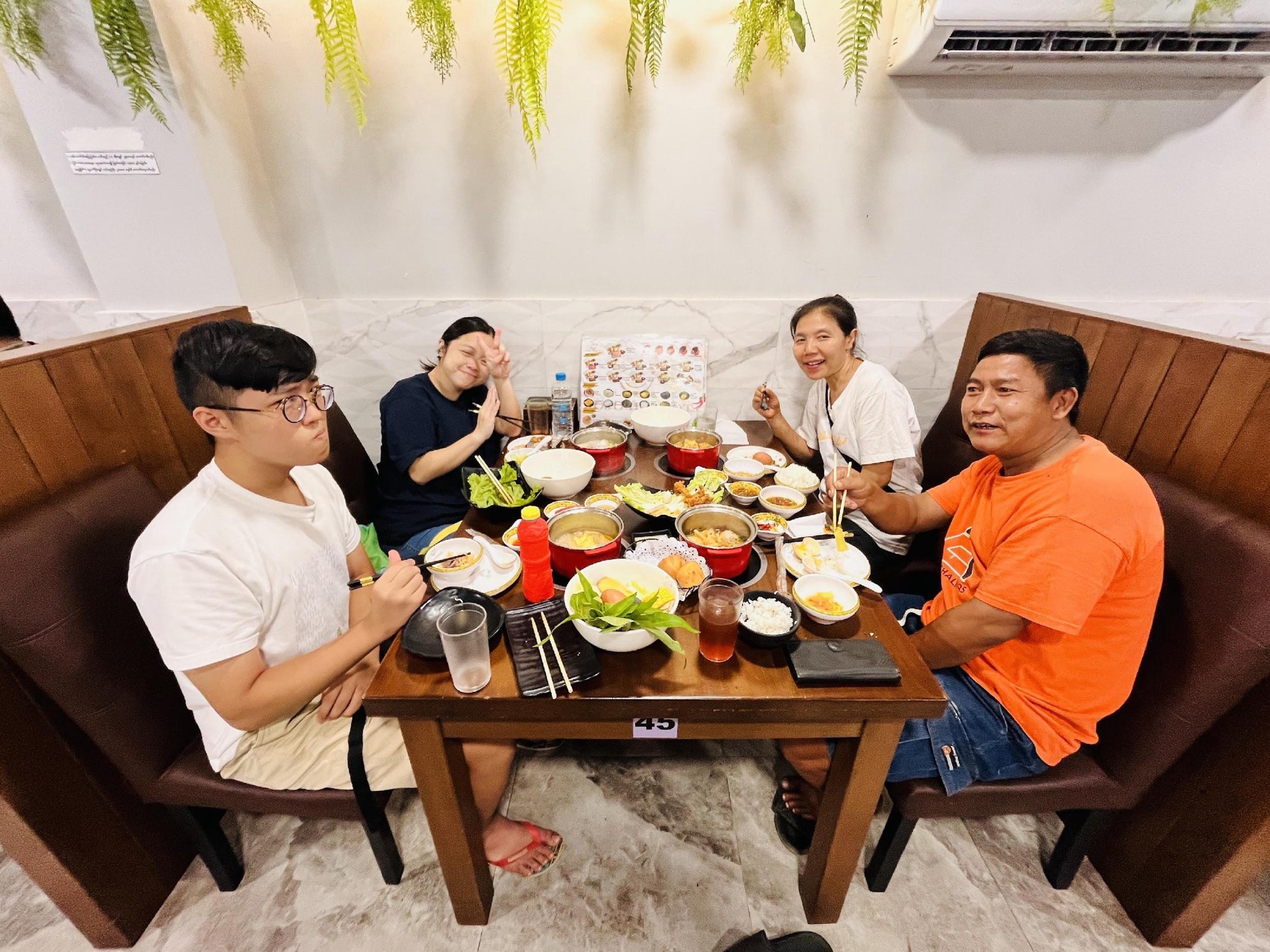
We returned to the hotel and ate at a nearby restaurant, named Funmily where we were attacked by mosquitoes throughout the meal. However, it was still a delicious and humongous meal for a cheap price. Kevin was absent — jet lagged and not feeling well — so it felt a little incomplete without him. After dinner, we went back and turned in for the night, knowing the real work would begin the next morning.
Day Two — Clinic in Full Swing
We reached Revival URC early and patients were already gathering. A sister from the congregation, sis Moe Moe Win who was local to the area, helped distribute tickets to families waiting outside. It truly felt like God’s provision as she knew the community well and understood how many tickets each family should receive. Without her help, things could easily have become confusing or chaotic.
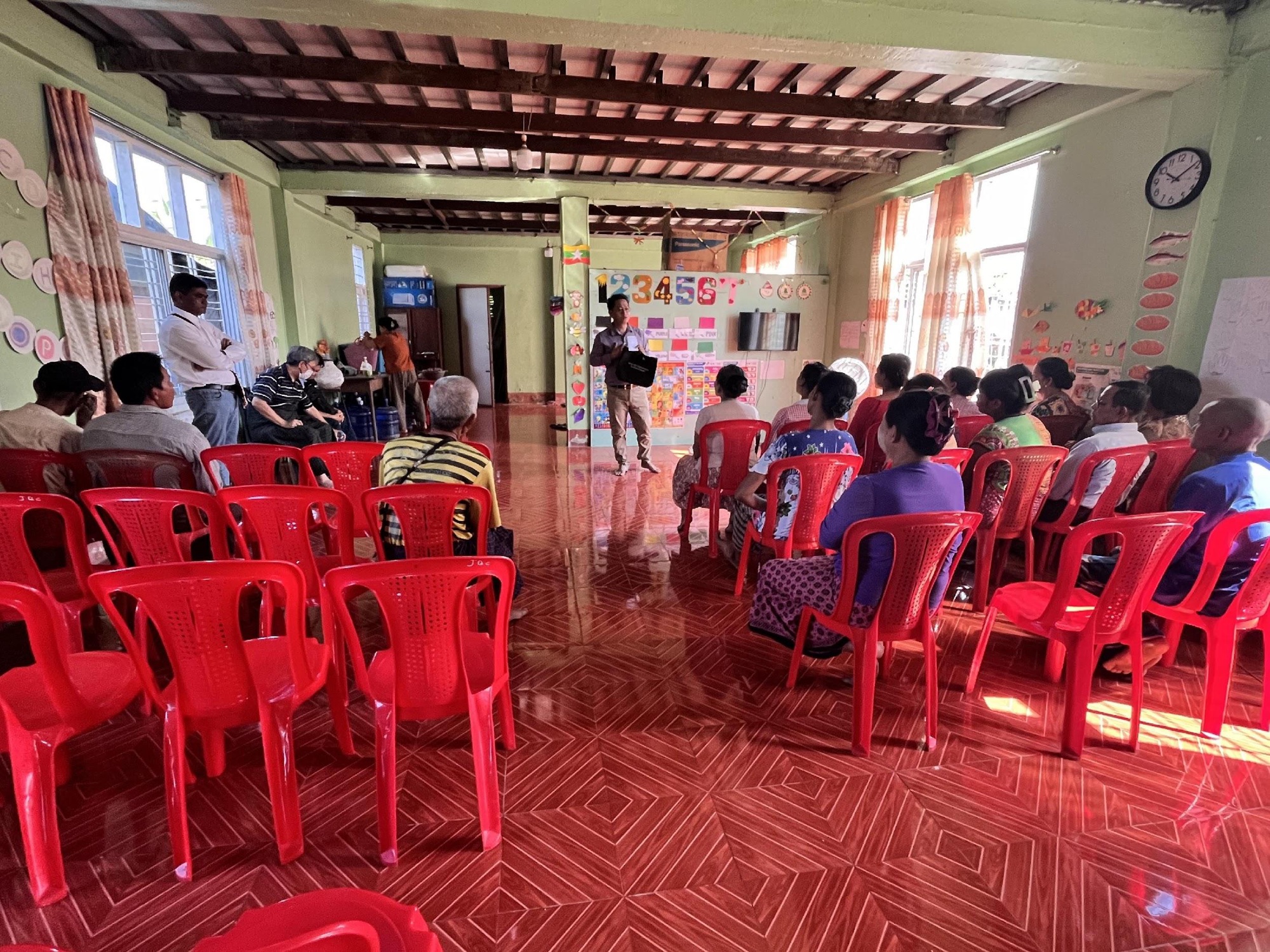
While people waited, the gospel was preached by Pastor Kyaw Oo of Revival URC. Thereafter, we screened healthcare education videos. Unexpectedly, bro Victor Shwe Ogh, from the Healthcare Christian Fellowship, arrived. He was knowledgeable in that area and assisted with explaining the content. It felt like another moment of providence — someone arriving exactly when needed.
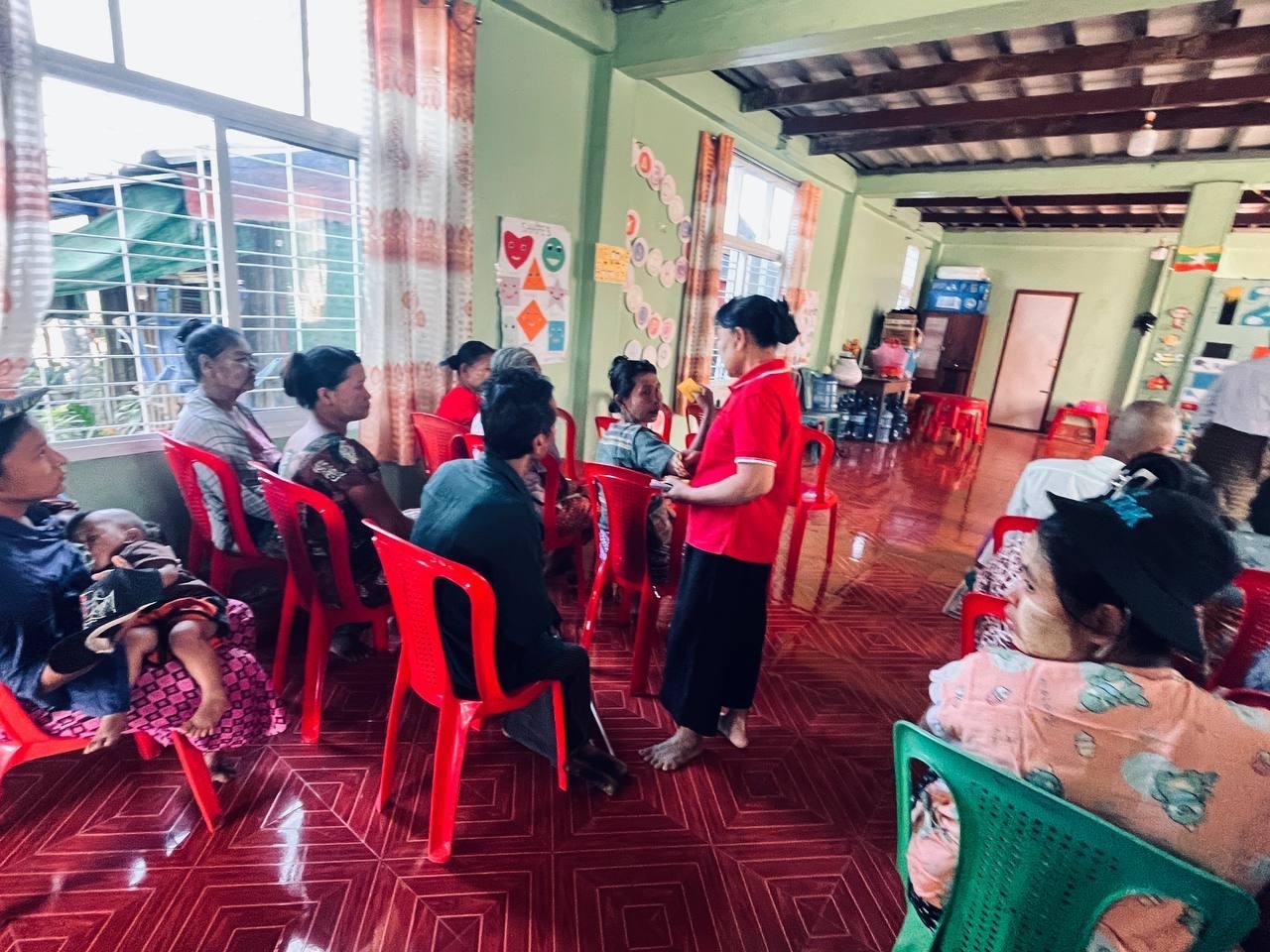
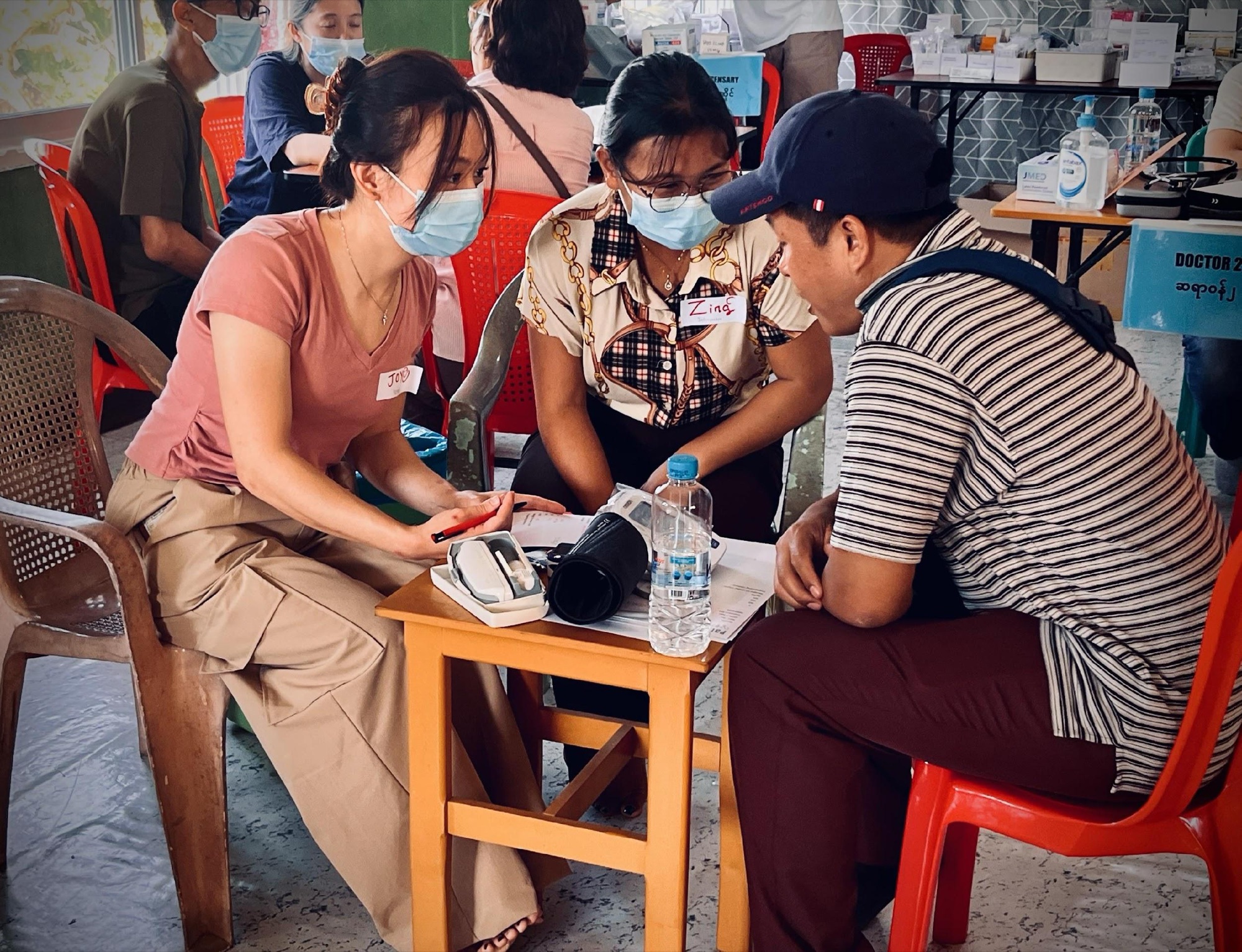
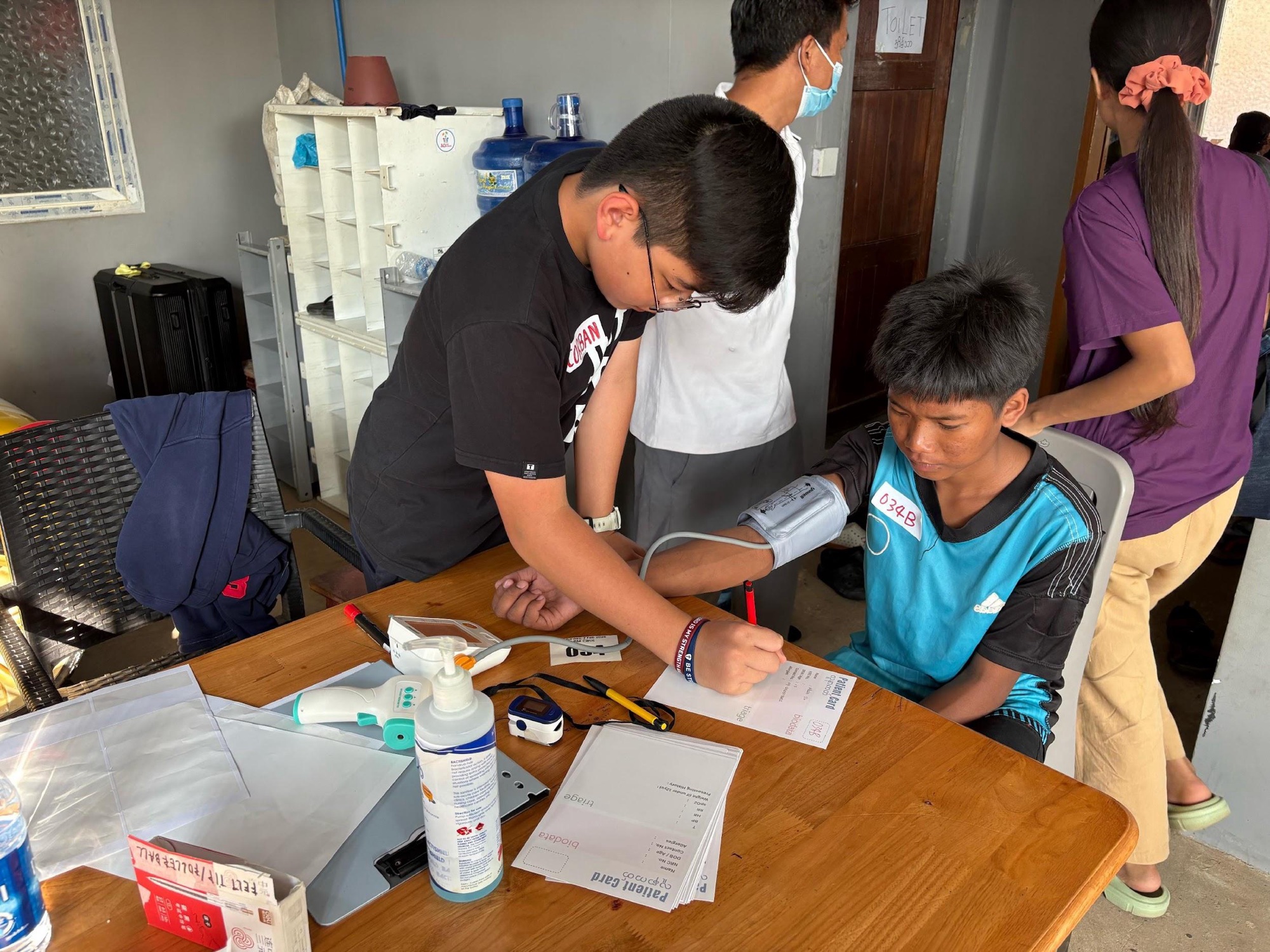
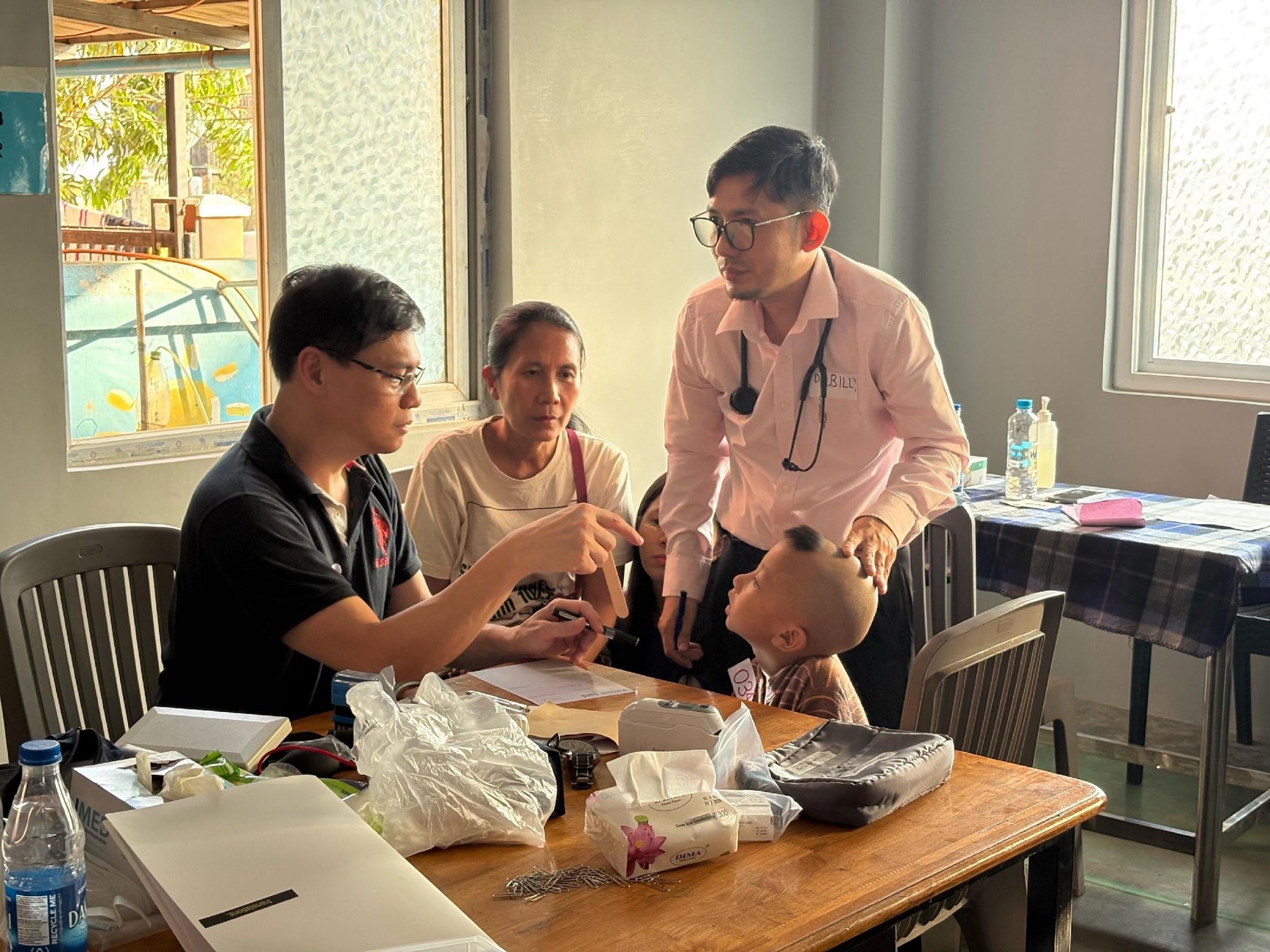
Once the clinic opened, patients began coming in steadily. They first went through triage, where vitals were taken and basic information recorded. Interpreters (from a local bible college) stood beside us, helping us communicate clearly. Because of them, the process ran smoothly. The doctors consulted and diagnosed carefully while the nurses treated wounds and administered care accordingly. After consultation, patients went to the pharmacy, where I helped out. There, medications were dispensed with instructions explained through translation.
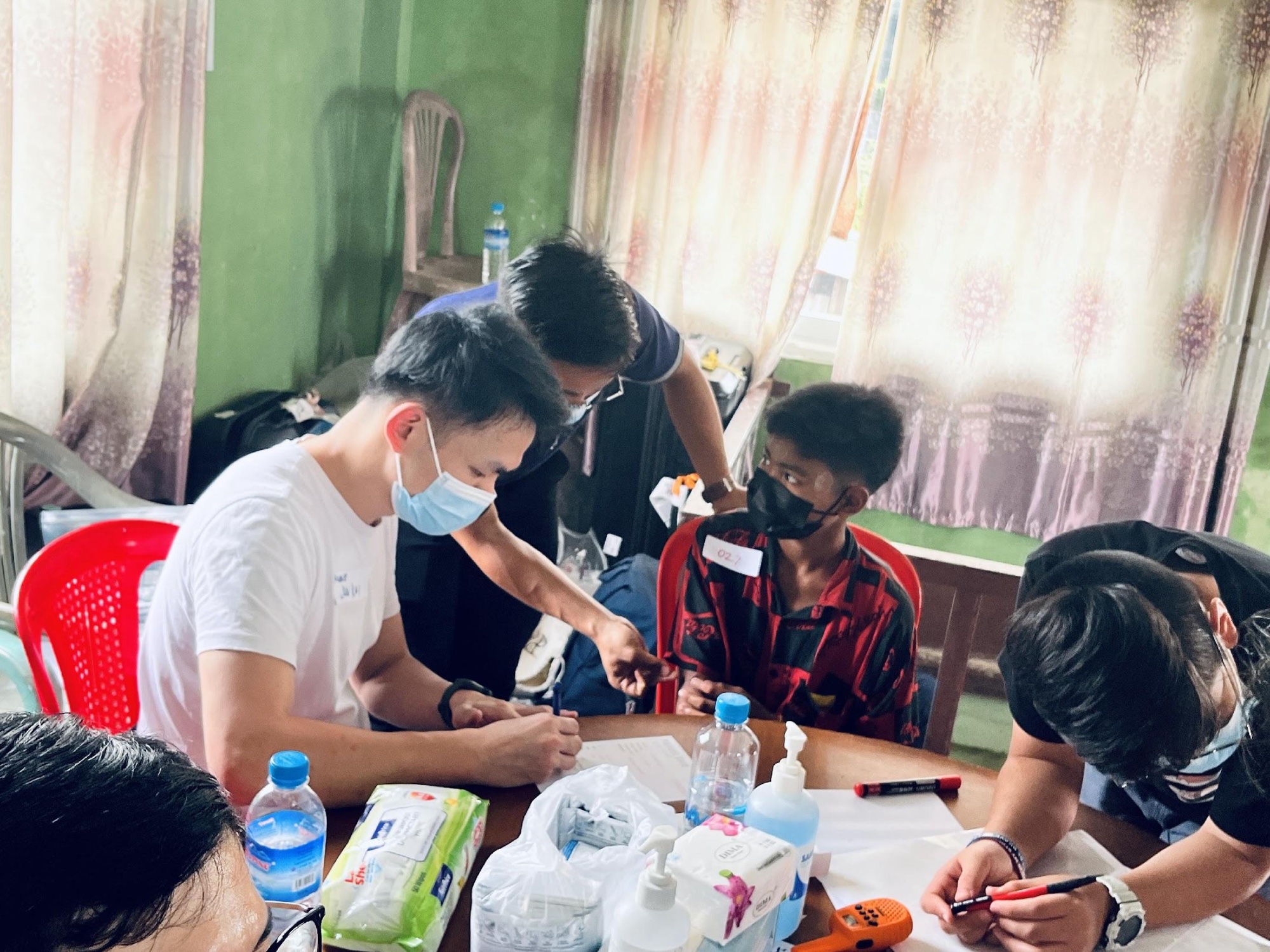
There was a short jam around midday when the flow became heavier, but overall the system held up well. Despite the crowd, there was a sense of order.
What stood out most were the people themselves. Some were visibly unwell, having gone years without consistent medical care. Poverty was not something we heard about but we saw it.
One woman with hypertension stayed through lunch but refused to eat. She wanted to bring the food back for her grandson who lived in the slums. She shared that she had survived for years on rice and salt. Her son had been drafted. She spoke plainly, without complaint. Moments like that made the day feel heavier. It reminded us why we were there — not just to treat symptoms, but to serve with compassion.
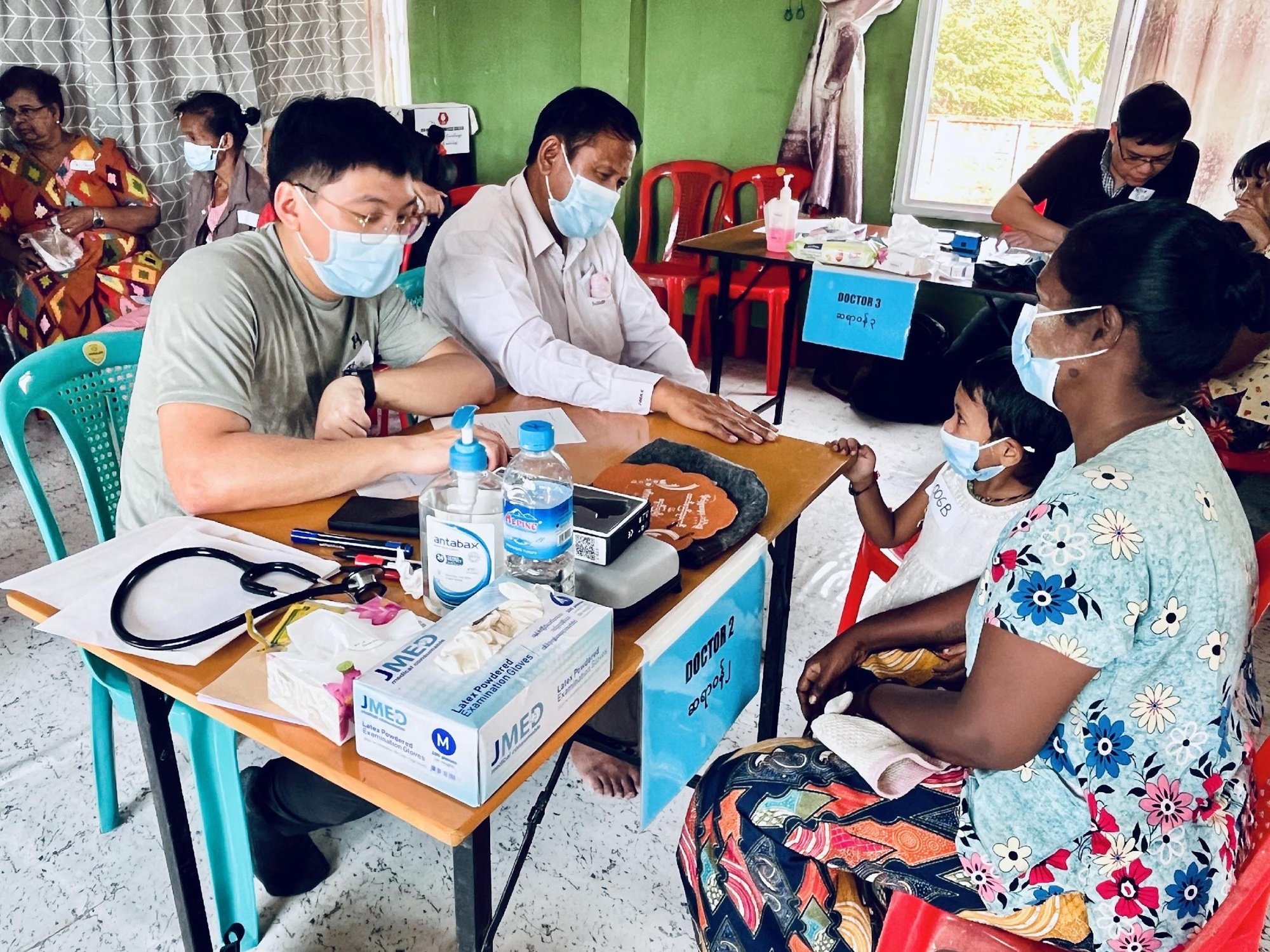
By the time we returned to the hotel that evening and ate at the Korean restaurant downstairs, we were tired in a different way. Not just physically but emotionally. We ended the day grateful — grateful that the clinic ran smoothly, grateful for the teamwork, and grateful that God allowed us to play even a small part in meeting the needs we encountered.
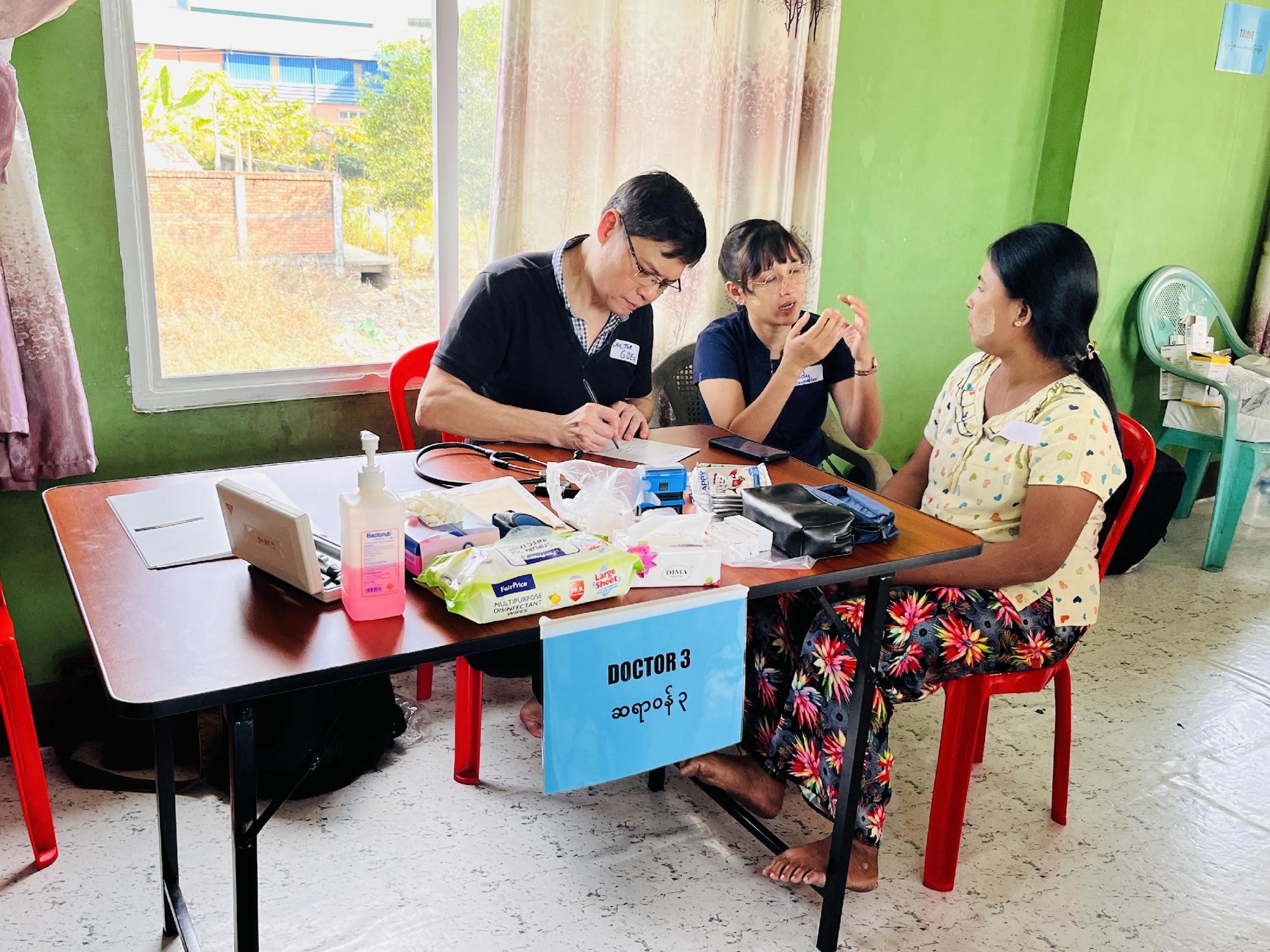
Day Three — Steady Growth
We began the morning with devotions over breakfast at the hotel’s Korean café. It was simple — Scripture, prayer, quiet reflection — but it grounded us before another long day. After that, members from the local church brought us back to the clinic. Their faithfulness in ferrying us back and forth each day did not go unnoticed.
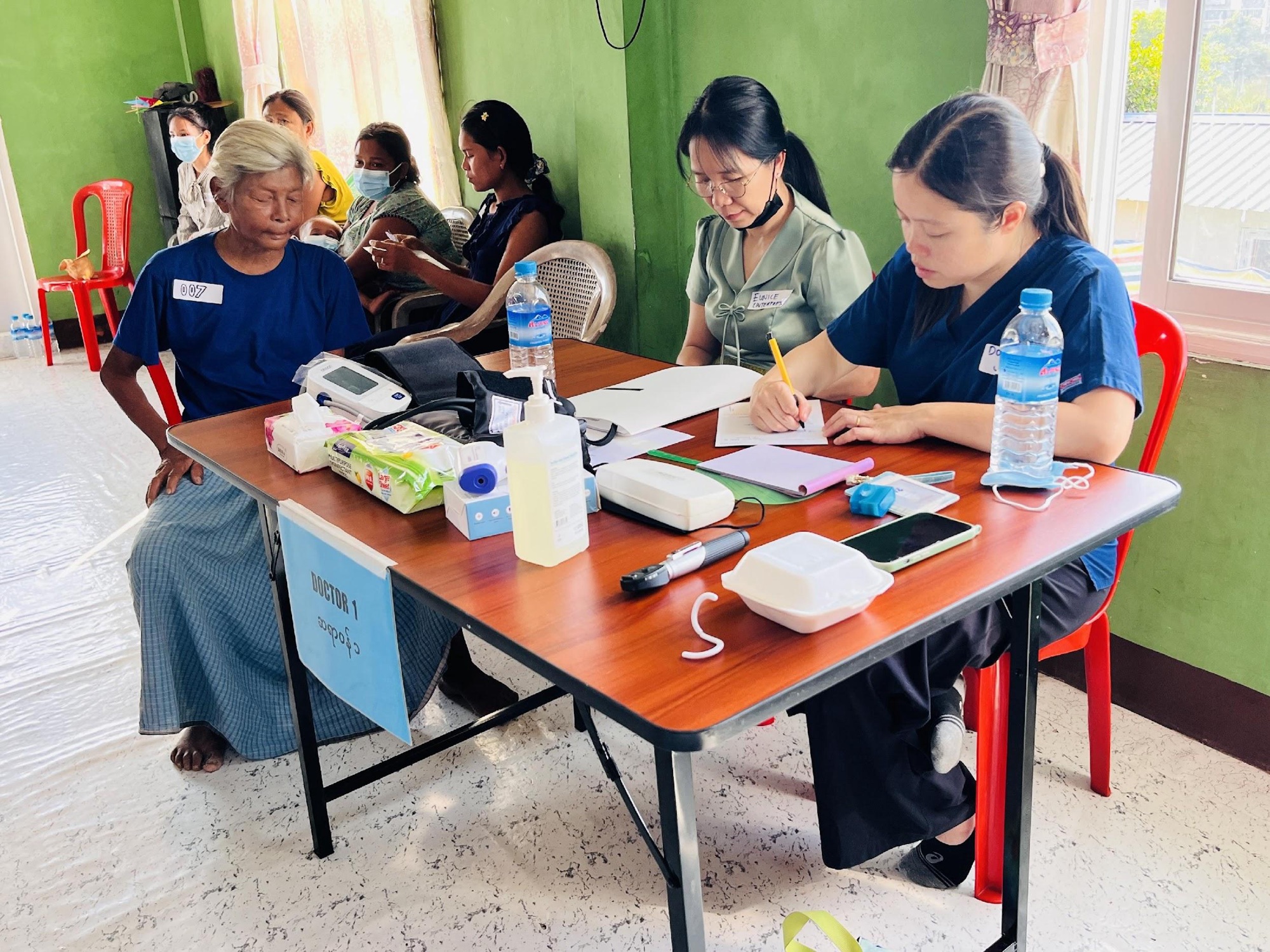
The morning clinic started off calmer than the previous day, with the preaching of the gospel. For a while, patients were few but sis Moe Moe Win went out into the community to gather more families. Her initiative made a real difference. Soon, more patients came.
Word of the clinic had spread by mouth through the surrounding community. The space filled up again and we were honestly thankful for it. It meant that those who needed help heard about the service and came. The church served as a witness of the mercy of Christ.
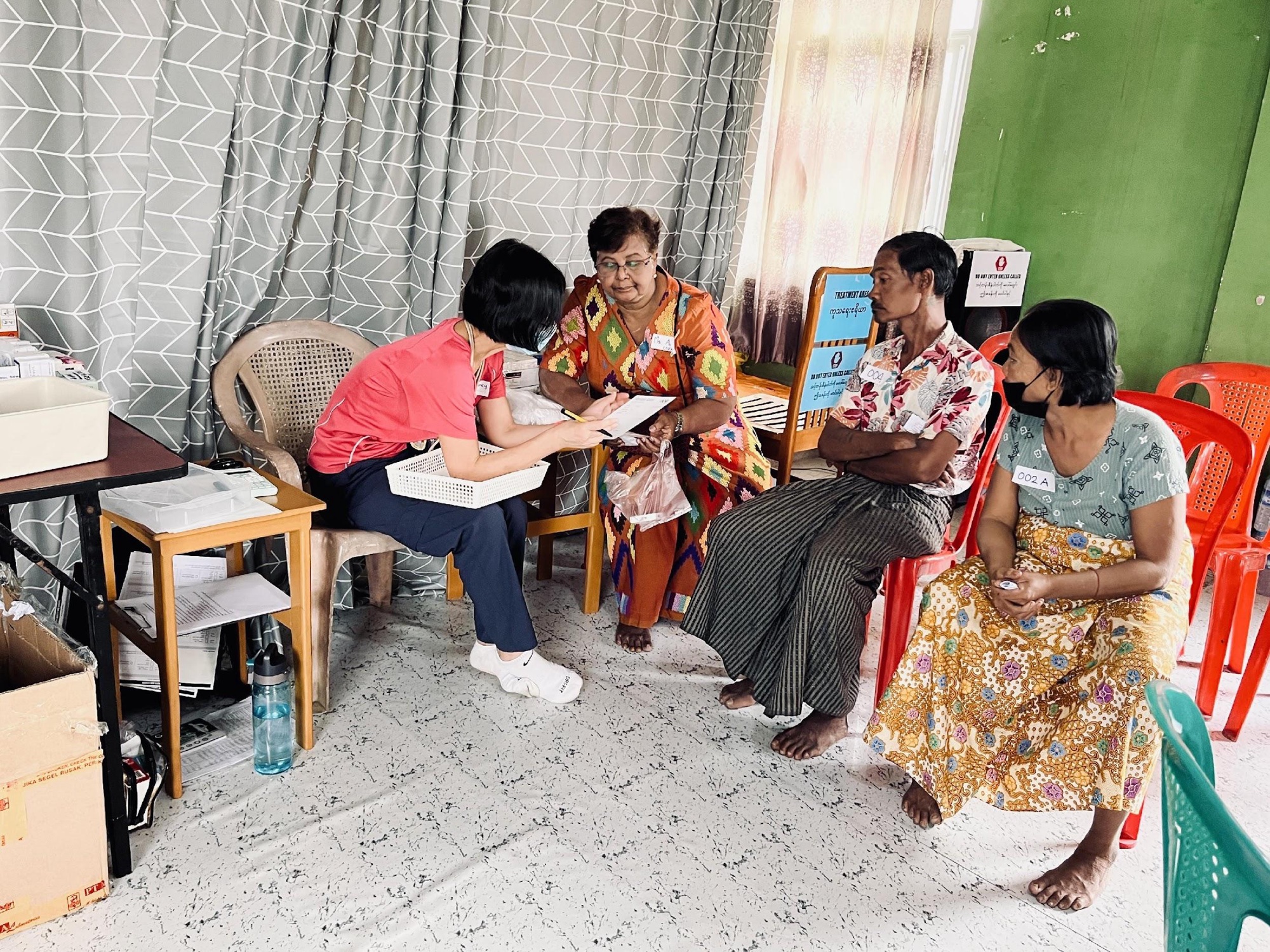
The interpreters worked tirelessly. Their role cannot be overstated. They bridged not only language but also trust. Because of them, conversations flowed clearly and patients felt understood. They not only interpreted problems but proclaimed the gospel and prayed.
At one point, we began running low on certain medications and it was worrying. But we managed to place an order and by God’s grace, the additional supplies arrived within the same day. It was one of those quiet answers to prayer that kept happening throughout the trip — not dramatic, just timely.
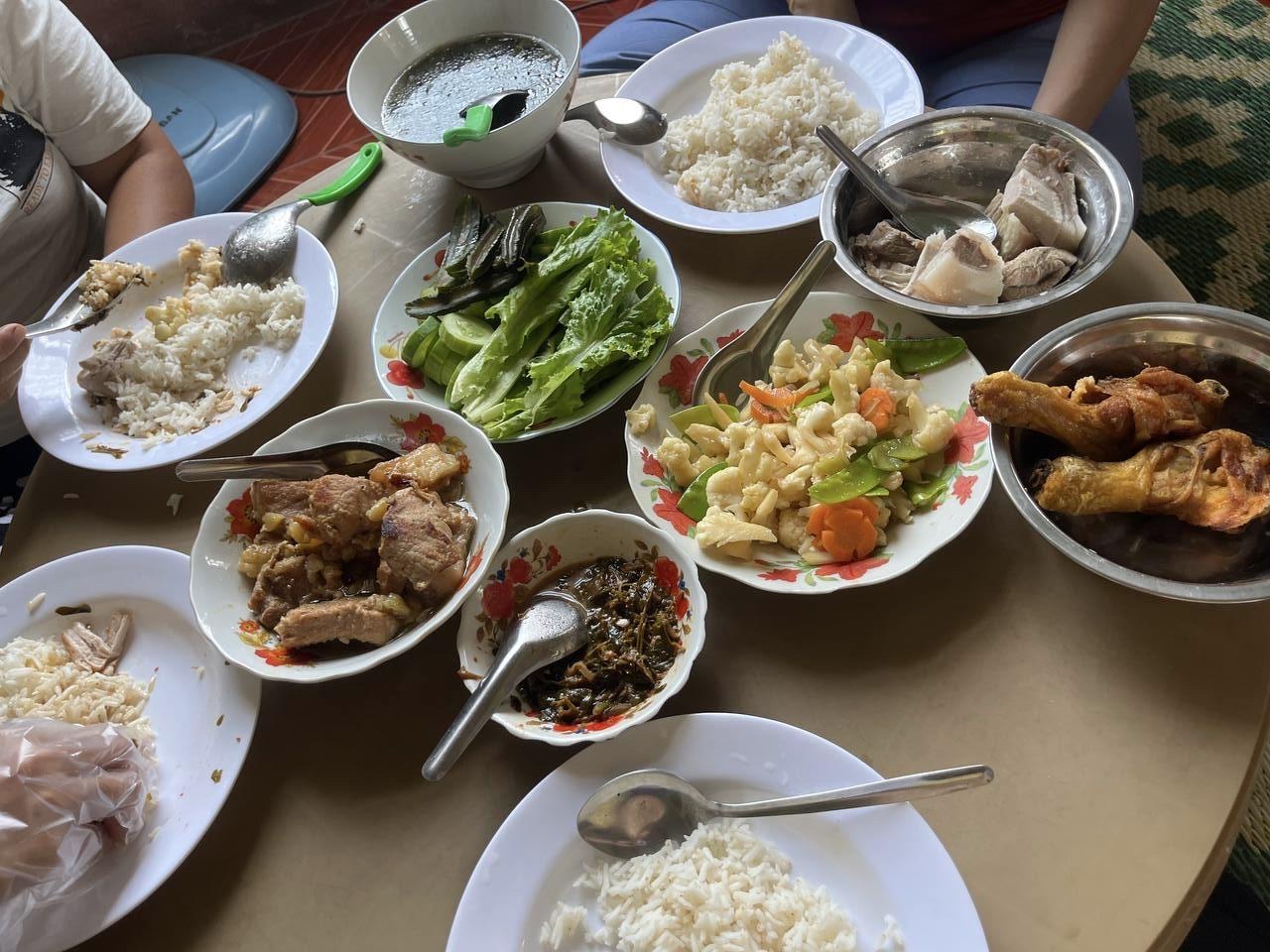
Lunch that day was unforgettable. The ladies’ fellowship of the church prepared for us what was easily the most delicious meal we had eaten since arriving — pork, fried chicken, vegetables, soup and a piquant chili sauce. More than the taste, it was their generosity that touched us. They served us warmly and abundantly even though we knew many of them had far less than we did. It was a humbling reminder of cheerful giving.
One of the deacons, an electrical engineer, brought along his apprentice — a sixteen-year-old boy who was already a father. His situation reflected the struggles many young people face. We were able to treat his dandruff issue by giving him ketoconazole shampoo. It was trivial medically, but we prayed it would be a small step toward something better in his life. He was only my age, yet already so deep in the consequences and struggles of sin.
The rest of the afternoon went smoothly and we finished the clinic feeling steady and grateful. That evening, we returned to eat at Funmily again — somewhat ironically, after such an incredible lunch. It had been a full but good day.
Day Four — Final Clinic Day and a New Opportunity
We woke up even earlier for devotions. There was a sense that this day would be significant. It would be our final morning running the clinic.
The morning was smooth. We mainly treated members of the Yangon Classis of the URCM. Once all the members were seen, it was now the pastors’ and officers’ turn. We learned that most Burmese would not take time off work to see the doctor, unless they were very sick, as it would affect their daily wages.
One case that stood out was a young boy who was deaf and mute. He had chickenpox. Communication was limited — we could only communicate with his mother — but we did what we could to treat him gently. Moments like that reminded us how vulnerable some of these children were.
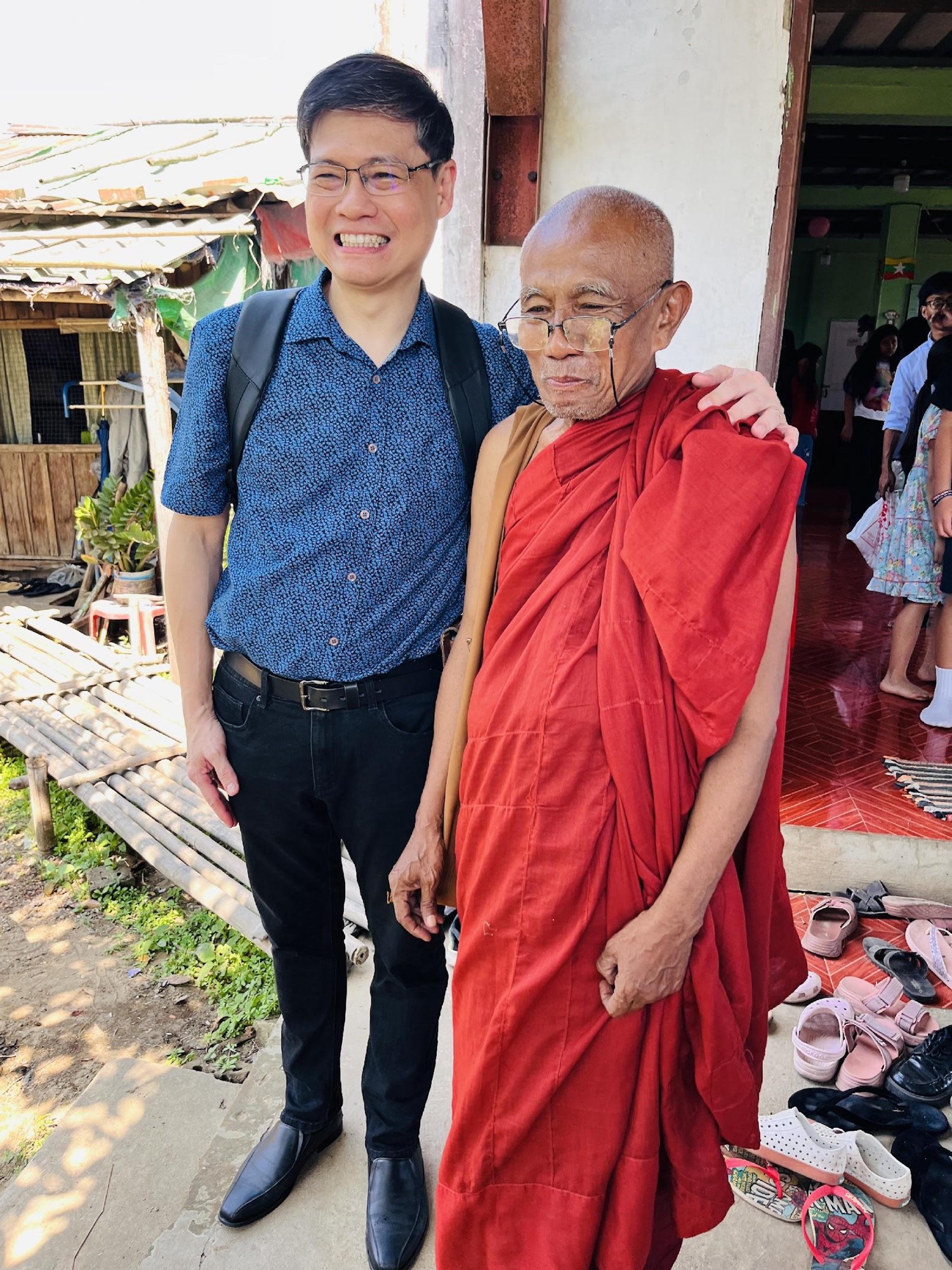
Just as we were preparing to close, an elderly Buddhist monk arrived. We treated him and through conversation with him — with the help of interpreters — we were able to share the gospel with him and he formed a sort of bond with Elder Gideon. It was an unexpected but meaningful encounter. We left that interaction in God’s hands, trusting Him with the outcome.
It was nearly lunchtime and we had to pack up quickly. In record time, tables were folded, curtains taken down, equipment boxed, and medications sorted and sealed — this was the hardest and most meticulous task. By God’s help, we finished efficiently.
Then several Christian brothers and sisters arrived with a rented bus just for us. It was a touching gesture. We were heading to Mingalar Children’s Home, an orphanage, to conduct another clinic session. Originally, that afternoon had been scheduled as a rest period, but we felt we could use the time to serve instead.
When we arrived, the pastors and helpers at the orphanage provided us with lunch. Even as we ate, we prepared for another round of patients. Soon, children, teenagers, and adults from the orphanage and nearby Bible school began coming in. We treated them one by one. Though tired, we worked efficiently and thanked God for the strength to continue.
By the end of the day, we were exhausted and hungry again. As we packed up, we decided to leave the curtains behind. The teacher expressed her gratitude and mentioned she had always wanted a curtain to give the sleeping children more privacy. The curtains even matched the colour of their walls. It felt like the Lord knew, and had used us to bring the curtains for the orphanage. The people there were incredibly kind and generous, despite not being well-off themselves. It felt like another quiet moment of providence.
That evening, they brought us out for a hot pot dinner. Though my (and Jema’s) introverted side protested, it was a warm, communal end to a long day of service. When we returned to the hotel, most of us went for massages — our sore muscles finally getting some relief.
It had been our final full day of clinic work in Yangon, and we ended it feeling thankful — tired, but thankful for every opportunity the Lord had given us to serve.
Conclusion
We spent the next day, the Lord’s Day, worshiping with our brethren. As we looked back on the four days in Yangon, it was clear that what we experienced was more than a medical mission — it was a steady unfolding of grace in small, ordinary moments.
From rearranging a sanctuary into a clinic to treating hundreds of patients, to sharing meals prepared by generous hands, we saw how every detail — the unexpected helpers, the timely medication restock, the translators, the drivers, the quiet conversations — came together in ways we could not have orchestrated ourselves.
We arrived tired and uncertain, but we left humbled, stretched, and deeply aware of both the physical needs around us and the faithfulness of God in meeting them. Though our time at URCM and Mingalar Children’s Home came to an end, the faces, stories, and lessons from Yangon will remain with us far longer than the trip itself.